Quiet corners
Shape a Private Pause
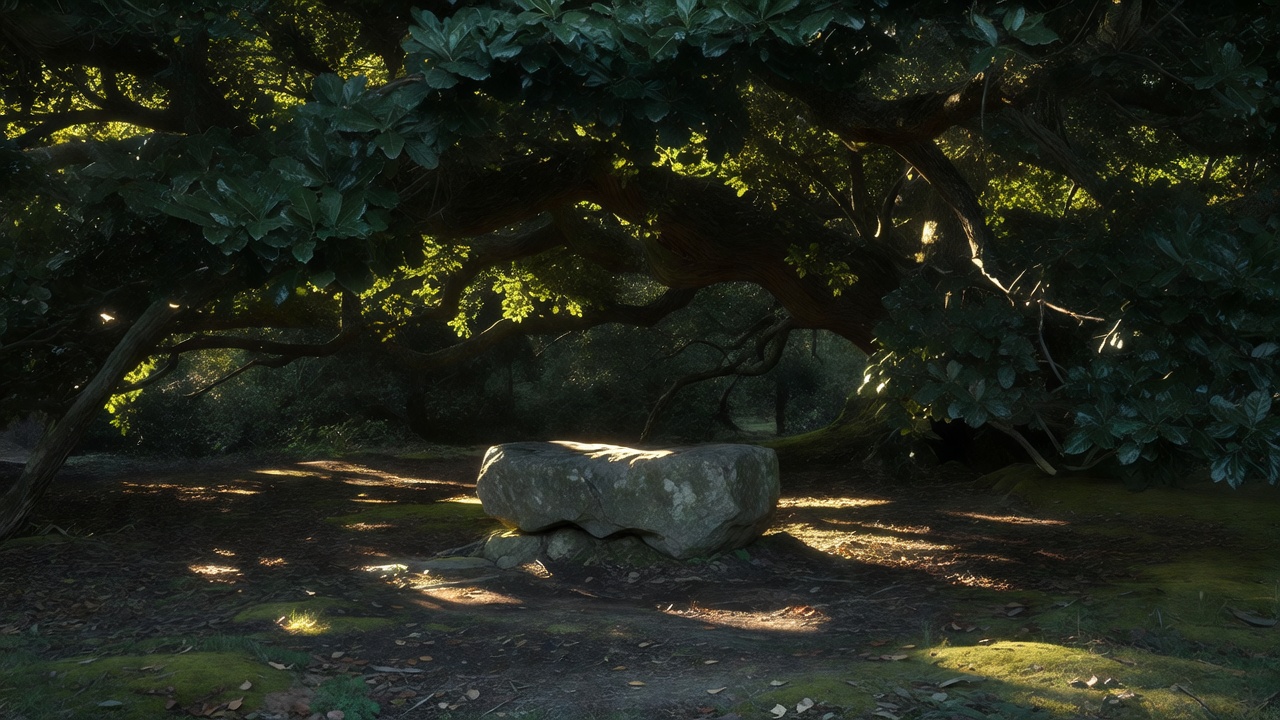
Every sensory garden needs a place where the senses can rest. A sheltered corner is less about what you add and more about what you hold back: fewer signals, a protected back, a seat that supports you and a view you have chosen.
Why shelter feels restful
Several strands of research help explain why some outdoor spots feel calming. Geographer Jay Appleton’s prospect-refuge theory, set out in The Experience of Landscape (1975), suggests people favour places where they can see out while feeling protected. Rachel and Stephen Kaplan’s Attention Restoration Theory, developed in The Experience of Nature (1989), proposes that gently interesting surroundings, which they called “soft fascination”, let tired directed attention recover. In Japan, the term shinrin-yoku, or forest bathing, was introduced by the Forestry Agency in 1982 to encourage slow, sensory time among trees.
None of these ideas requires a large garden. They point to a few practical qualities: something solid behind you, an outlook with gentle detail, and freedom from sudden noise or interruption. How much enclosure feels right is personal. Some people feel safest in a snug arbour; others feel hemmed in and prefer an open seat at the edge of a lawn.
Elements of a sheltered corner
Enclosure
A hedge of yew, beech or hornbeam, a trellis with climbers or a simple wall forms the refuge. Aim for height above seated head level on at least one side.
Canopy
A small multi-stemmed tree, pergola or sail gives dappled shade and a ceiling that makes the space feel contained.
Supportive seating
Seats with a back and armrests, at a height of roughly 45 cm, make sitting and rising easier for many people. Leave space beside a bench for a wheelchair or a companion.
Microclimate
Note where morning sun lands and where wind funnels. A corner that is warm in spring and shaded in high summer will be used for more months of the year.
Sound buffer
Dense evergreen planting softens noise from neighbours. A faint water feature a few metres away can mask what remains.
A chosen outlook
Frame a view of moving grasses, a single specimen plant or still water, and screen what you would rather not see.
Corners for different needs
- Low-stimulation retreat
- Green-only planting, no scented flowers, still water or none. Useful for anyone prone to sensory overload or migraines.
- Gentle movement
- A rocking bench, glider or hanging seat offers rhythmic motion that many people find settling.
- Evening refuge
- Pale flowers that glow at dusk, as in Vita Sackville-West’s White Garden at Sissinghurst, with night-scented plants and low warm lighting.
- Shared calm
- Two seats angled slightly towards each other allow conversation without forced eye contact.
Arriving softly
The approach shapes the pause. In a Japanese tea garden, the roji, or dewy path, is designed to slow visitors and leave everyday concerns behind before they reach the tea house. You can borrow the idea simply: a slight bend that hides the seat until the last moment, a change of surface underfoot, or a gap in a hedge that feels like a doorway.
Keep the corner easy to maintain. A quiet place loses its calm if every visit reminds you of weeding. Ground-cover planting, a gravel floor and a seat that does not need storing in winter all help. For the route that leads here, see Lay a Welcoming Path; for gentle sound nearby, see Listen to Moving Water.