Scent & texture
Plant for Fragrance and Touch
Fragrance and texture are the most intimate senses in a garden: they happen at the distance of your own hand and breath. That closeness is exactly why they deserve care. Plan them around how much you enjoy, how your body reacts, and where you can comfortably reach.
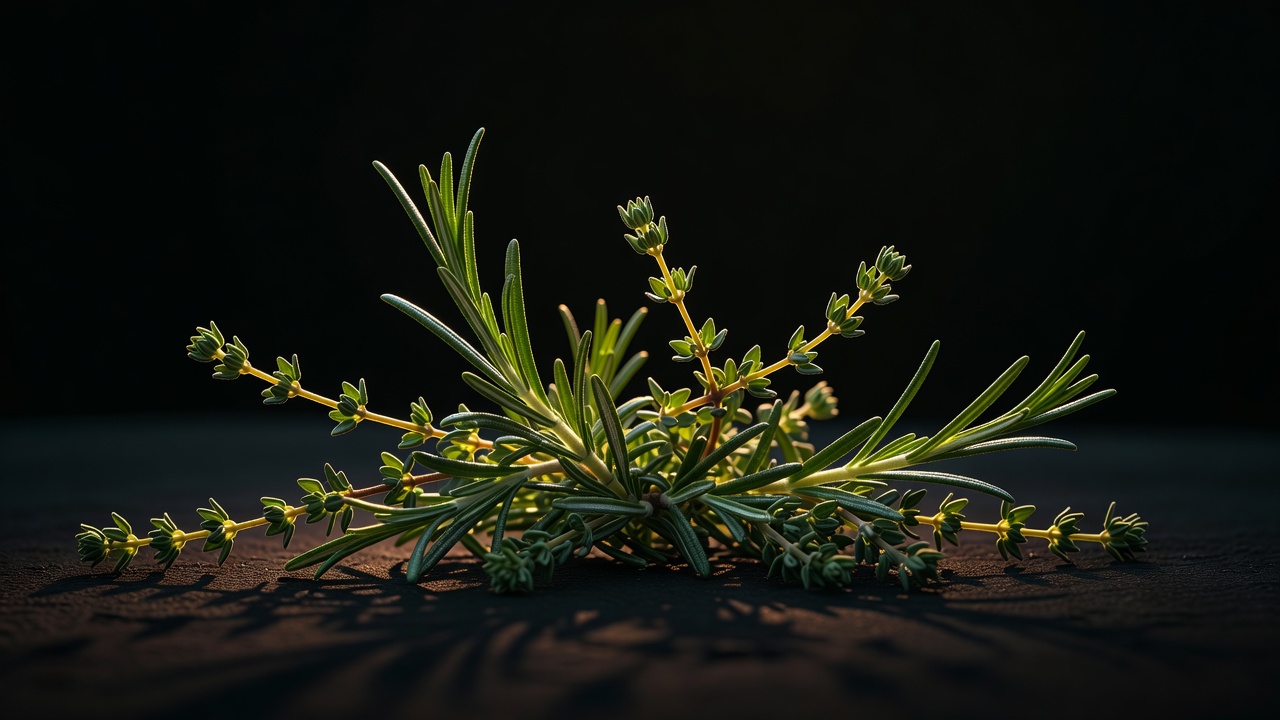
Start with your tolerance
Before choosing a single plant, notice how you respond to scent indoors. If perfumed candles or laundry products give you a headache, a border full of mock orange and lilies will likely do the same outdoors, especially in a sheltered space where air barely moves. If you love scent, you still benefit from contrast: a nose saturated by one fragrance soon stops registering it, a well-known effect called olfactory adaptation.
The gentlest approach is to favour plants that keep their oils inside the leaf until you touch them. Rosemary, sage, thyme and lemon verbena stay quiet until brushed, which means you decide when the garden speaks. Flowers that broadcast scent into the air, such as Philadelphus or Sarcococca, are best placed where the breeze carries fragrance away from seats rather than towards them.
Allergies matter too. Wind-pollinated plants such as many grasses release more airborne pollen than insect-pollinated flowers, while bee-friendly plants bring buzzing that some people find soothing and others find alarming. Neither is wrong; they are simply preferences to write into the plan.
How fragrance is released
Brushed
Lavender, rosemary and Salvia officinalis release scent when a sleeve or hand passes. Plant them at path edges, set back about a hand’s width so they do not crowd a walking frame or wheelchair.
Stepped on
Creeping thyme and non-flowering chamomile, Chamaemelum nobile ‘Treneague’, tolerate light foot traffic between stepping stones. Keep them off routes used by wheels or sticks, where an even surface matters more.
Warmed by sun
Cistus ladanifer produces a resinous scent on hot afternoons. Beth Chatto’s Gravel Garden in Essex shows how Mediterranean plants perfume dry, sunny ground with no irrigation.
Released at dusk
Nicotiana sylvestris and night-scented stock are moth-pollinated and most fragrant in the evening, a calm choice if you use the garden after work.
Winter scent
Sarcococca confusa flowers in late winter with a honeyed scent strong enough to notice from several metres, so one plant near a door is usually plenty.
Plant attribute list
A quick reference for matching plants to your preferred intensity. Check hardiness for your own region before buying.
| Plant | Scent | Touch | Released by | Comfort note |
|---|---|---|---|---|
| Lavandula angustifolia ‘Hidcote’ | Sweet, camphor | Fine, dry spikes | Brushing, sun | Attracts bees in summer |
| Thymus serpyllum | Warm, herbal | Low springy mat | Treading | Between pavers, not on wheeled routes |
| Aloysia citrodora | Sharp lemon | Slightly rough | Rubbing a leaf | Frost-tender; grow in a pot |
| Mentha spicata | Spearmint | Soft, crinkled | Pinching | Spreads fast; contain it |
| Stachys byzantina | Almost none | Thick felt | — | Good for scent-sensitive gardeners |
| Hakonechloa macra | None | Silky blades | — | Moves gently; tolerates shade |
| Sarcococca confusa | Honey, vanilla | Glossy | Air in winter | Strong in enclosed spaces |
Texture within reach
Texture invites hands, so it must sit where hands can comfortably go. Many therapeutic gardens use raised beds roughly 60 to 75 cm high so they can be reached from a wheelchair or a perching stool; the UK charity Thrive has long promoted adaptable bed heights for gardeners with differing needs. Group contrasting textures together so a single reach reveals the difference.
- Soft
- Lamb’s ear, Alchemilla mollis, Pennisetum villosum seed heads
- Springy
- Moss, low thyme mats, Festuca glauca tufts
- Cool and smooth
- Sempervivum, Bergenia leaves, river-washed pebbles
- Ridged
- Hosta ‘Sieboldiana’ leaves, the bark of Prunus serrula
Plants to keep out of reach
Euphorbia
Milky sap can irritate skin and eyes. Fine in a back border, never in a touch bed.
Ruta graveolens
Rue sap can cause blistering when skin is then exposed to sunlight.
Digitalis and Aconitum
Foxglove and monkshood are toxic if eaten; avoid them where children or confused visitors explore.
Agave, Yucca, Berberis
Sharp tips and thorns are unsuitable beside paths, especially for people with low vision.
The Royal Horticultural Society publishes guidance on potentially harmful garden plants; check it alongside local poison information services before finalising a touch bed. Continue with water sounds or pathway planning.